

Introduction
Square Coffee Table designs never really caught my attention for years.
They were just there. In showrooms, waiting rooms, relatives’ houses. Four equal sides, predictable, easy to ignore.
Rectangular tables felt practical. Round ones felt soft and safe. But square coffee tables? They seemed plain.
Then I moved into a small, almost perfectly square apartment living room — and suddenly everything changed.
For years, square coffee tables barely registered on my radar.
They were just there. In showrooms, waiting rooms, relatives’ houses. Four equal sides, predictable, easy to ignore.
Rectangular tables felt practical. Round ones felt soft and safe. But square coffee tables? They seemed plain.
Then I moved into a small, almost perfectly square apartment living room and suddenly everything changed.
A long rectangular table looked awkward and forced. But a square coffee table felt balanced, calm and naturally centered. Like it belonged there all along.
That was the moment I realized something simple:
The shape of your coffee table can completely change how a room feels.
Why a Square Coffee Table Works So Well
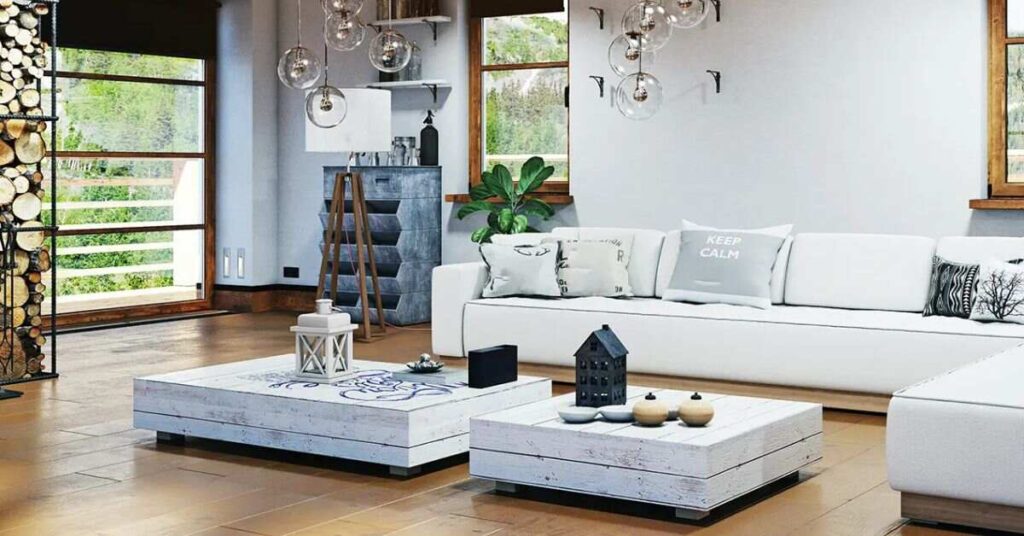
Square coffee tables have a unique way of shaping the space around them. Unlike rectangular tables that naturally guide movement in a single direction, or round tables that soften the edges of a room, square tables act as an anchor point. They sit quietly in the center, and almost without thinking, furniture and people arrange themselves around them. This creates a sense of stability and balance, making the room feel grounded and visually harmonious.
In square or compact living rooms, the effect is especially noticeable. The table seems to “lock into place,” naturally dividing the seating area while keeping everything proportionate. Sofas, chairs and side tables fall into alignment and the space feels intentionally designed rather than haphazardly arranged. Nothing stretches awkwardly, and nothing feels cramped.
However, square coffee tables are honest about your space , they don’t hide imperfections. If the table is too large for the room, it can feel heavy, rigid or even boxed in, creating a sense of confinement rather than openness. Overly small tables, on the other hand, can feel lost in the center, making the seating arrangement seem incomplete.
Essentially, a square coffee table doesn’t try to impress or dominate. Its presence subtly organizes the room, encourages social interaction, and emphasizes proportion. It’s a small geometric decision, but one that affects how a room feels, flows, and functions every day.
Living with Square Coffee Tables Every Day
Easy reach from every side
One of the first things you notice?
Everything is within reach.
Whether you’re on a sofa or chair, you don’t have to lean awkwardly. Every side works equally well.
It sounds small, but daily comfort adds up.
Perfect for gatherings and game nights
Square coffee tables shine socially.
Board games, cards, snacks, tea . Four people can sit naturally around the table without anyone feeling left out.
It feels communal and shared.
Clutter collects faster than you expect
Because every side is usable, every side becomes a drop zone.
Books here. Remote there. Magazines everywhere.
Without a clear “front” or “back,” mess spreads quickly.
So styling and tidiness matter more.
Choosing the Right Size for Square Coffee Tables
Size matters more than style.
With square coffee tables, even a few extra inches can disrupt the entire room.
Too small:
Looks like a footstool
Too big:
Blocks pathways and feels cramped
Unlike slim rectangular tables, squares don’t tuck away easily.
Always leave generous walking space. Slightly smaller usually feels better long term.
Square Coffee Tables at a Glance
| Feature | Square Coffee Tables | Why It Matters |
| Shape | Four equal sides, balanced design | Creates a calm and centered look |
| Best For | Square rooms, sectionals, conversation layouts | Improves flow and symmetry |
| Accessibility | Easy reach from every side | More comfortable for daily use |
| Social Use | Great for games, snacks, gatherings | Everyone sits evenly around it |
| Space Impact | Anchors the center of the room | Makes layouts feel organized |
| Size Sensitivity | Must be carefully measured | Too big can block walkways |
| Materials | Wood, glass, metal, mixed | Changes the overall vibe of the room |
| Storage Options | Shelves, drawers, lift-tops | Helps reduce clutter but can look bulky |
| Style | Timeless and versatile | Works with modern and classic decor |
| Ideal For | Small to medium living rooms | Keeps spaces compact and functional |
Materials That Change the Personality of Square Coffee Tables
The square shape is simple, so materials do most of the emotional work.
Wood square coffee tables
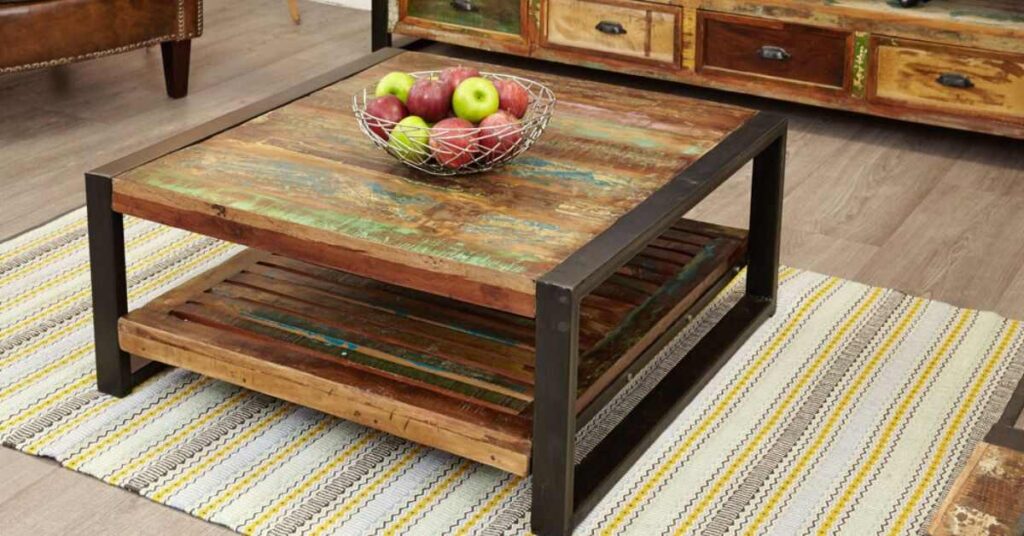
Warm, grounded, cozy
Great for traditional or rustic spaces
Can feel heavy in small rooms
Glass square coffee tables
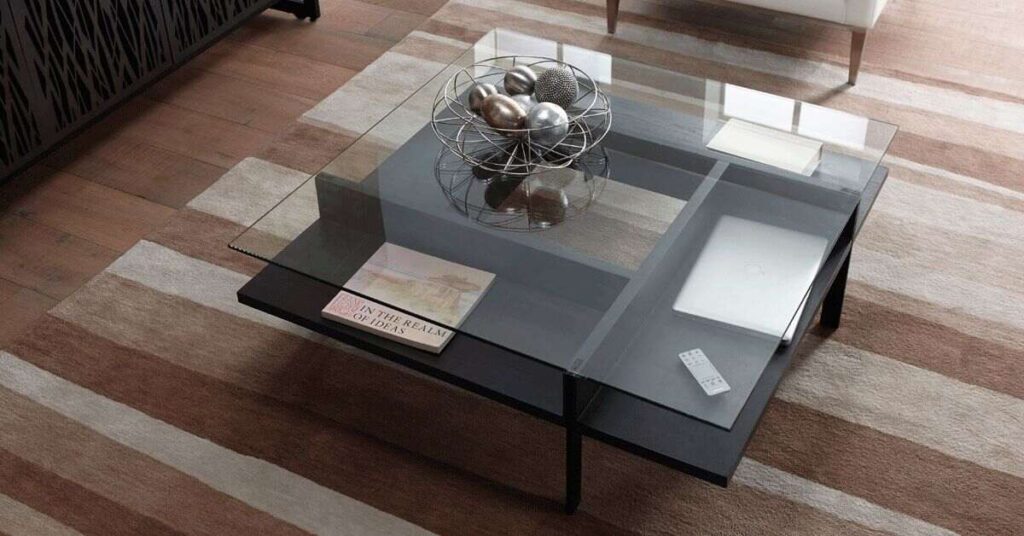
Light, airy, visually open
Makes rooms feel larger
Less cozy, slightly colder vibe
Metal or mixed materials
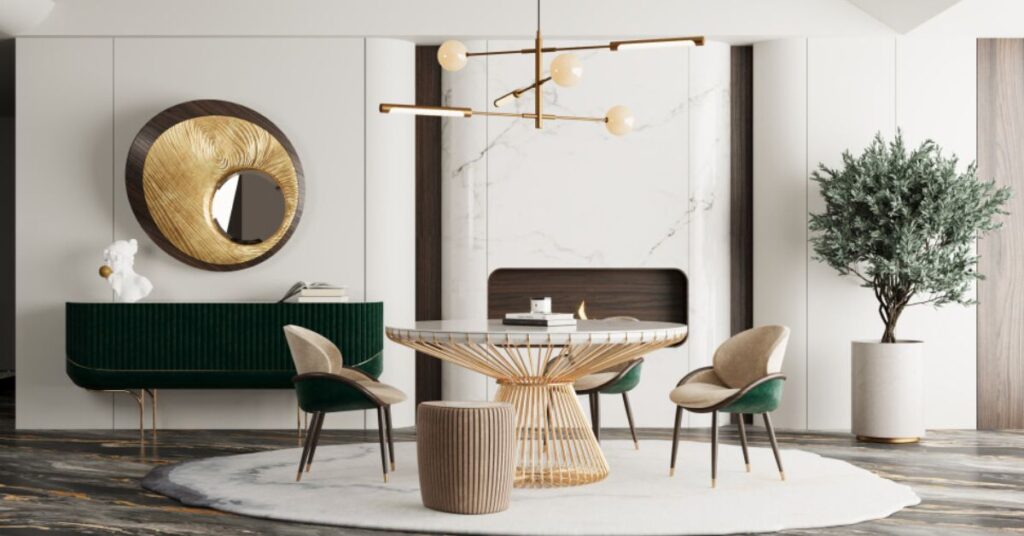
Modern, minimal, balanced
Strong but visually lighter
Good for contemporary homes
Same shape. A completely different feeling.
Material choice often matters more than shape itself.
How Square Coffee Tables Work with Seating Layouts
Square coffee tables love symmetry.
They pair beautifully with:
- Sectionals
- L-shaped sofas
- Four-chair setups
- Conversation-style seating
But with one long sofa and nothing opposite, they can feel awkward or disconnected.
Sometimes adding two chairs across instantly fixes the balance.
It’s almost like the table gently asks the room to be more social.
Storage Options in Square Coffee Tables — Helpful or Heavy?
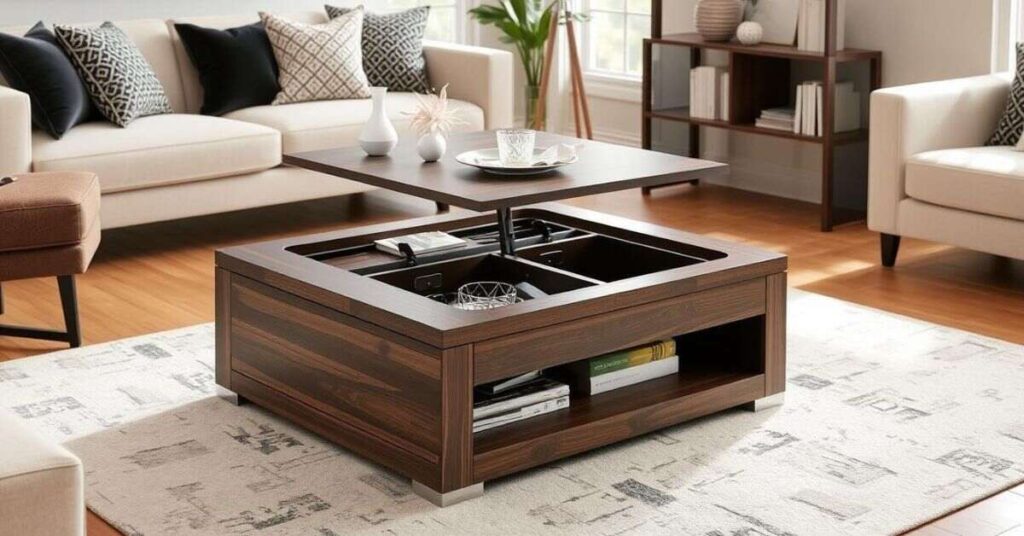
Many modern square coffee tables come with:
- Drawers
- Shelves
- Lift tops
Yes, storage is practical.
But too much can make the table bulky and heavy-looking.
Four drawers can turn a sleek table into something that feels like a filing cabinet.
Often, simpler works better:
One shelf
Minimal storage
Cleaner silhouette
Furniture should help the room breathe, not weigh it down.
Square Coffee Tables in Small vs Large Rooms
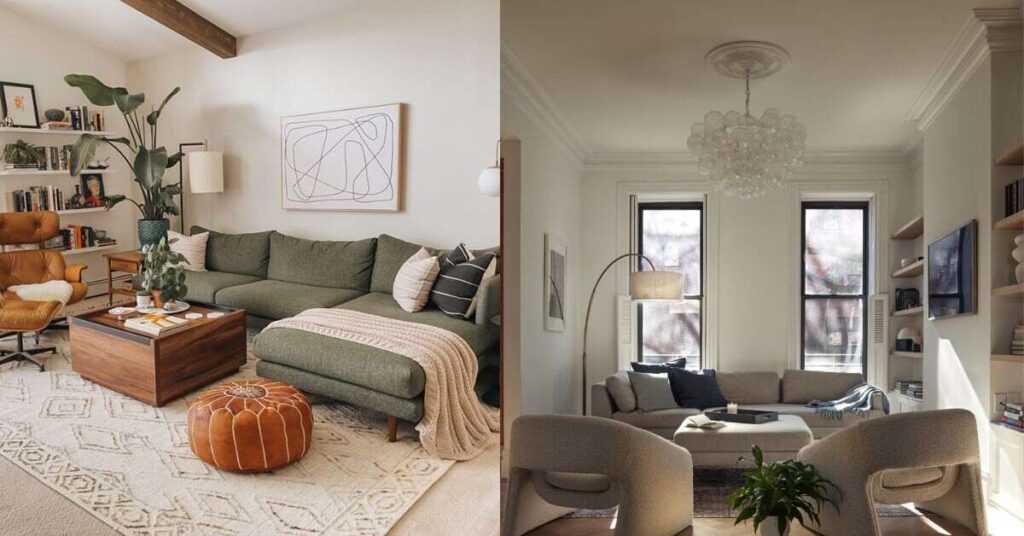
Small rooms
Great when the room is square
Feels compact and intentional
Creates balance
Narrow rooms
Can interrupt walking paths
Feels awkward to move around
Large rooms
May look too small or isolated
Rectangular tables sometimes connect space better
Square coffee tables are honest , they highlight what your room truly is.
The Quiet Style of Square Coffee Tables

Square coffee tables don’t scream for attention.
They’re timeless.
They work in:
- Modern homes
- Traditional interiors
- Mid-century spaces
- Minimalist designs
They age well because they’re simple.
Maybe they’re not dramatic.
But sometimes you don’t need drama.
Sometimes you just need something steady that quietly works.
Conclusion
Square coffee tables genuinely surprised me. What once felt plain and forgettable slowly revealed itself to be one of the most balanced, practical and comfortable shapes to live with every day. They’re easy to use from any side, naturally social for gatherings, timeless enough to outlast trends and especially perfect for square or compact spaces. They don’t try to be flashy or dramatic and maybe that’s exactly their strength. Instead, they quietly do their job, bringing steadiness and balance to the room and honestly, that kind of simple reliability is exactly what most living rooms need.
FAQs
Are square coffee tables good for small living rooms?
Yes, especially if the room itself is square. They create balance and use space efficiently.
What is the ideal size for square coffee tables?
Leave 16–18 inches of walking space around the table. Slightly smaller sizes usually feel more comfortable.
Do square coffee tables work with sectionals?
Absolutely. Sectionals and L-shaped sofas pair naturally with square tables for better conversation flow.
Are glass square coffee tables better for tight spaces?
Yes. Glass makes rooms look bigger and lighter compared to heavy wood designs.
Do square coffee tables look outdated?
Not at all. Their simple shape is timeless and works with modern, classic and minimalist styles.