
Introduction
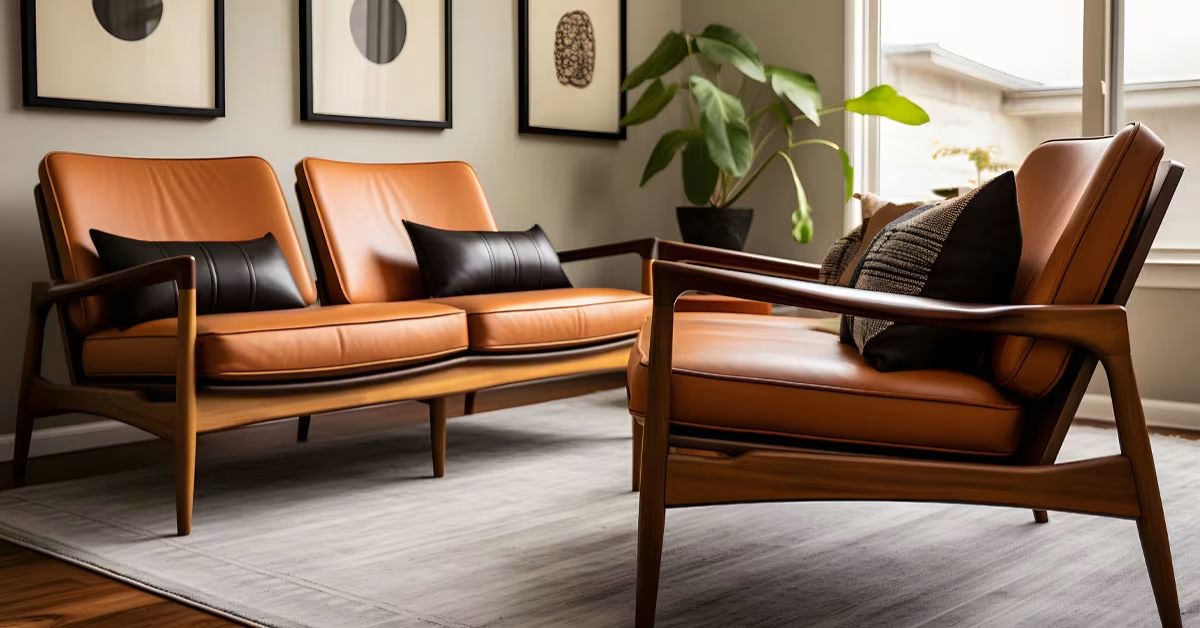
A mid century coffee table brings timeless elegance and practicality to any living space. These tables, inspired by mid century modern furniture, offer clean lines, functional design and versatile shapes that complement various interior styles. From a walnut coffee table to a sleek glass top table each piece reflects craftsmanship and aesthetic balance. Incorporating thoughtful storage and low profiles, they enhance both small and large rooms. Choosing this type of table transforms a living area into a cohesive stylish environment while maintaining usability. Their enduring appeal makes them a centerpiece of modern interiors.
Origins of Mid Century Modern Design
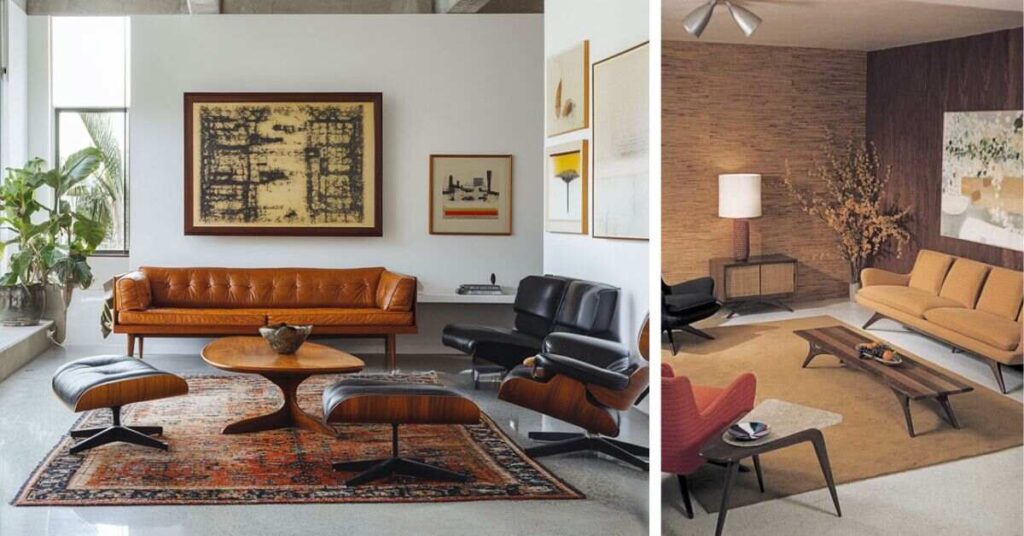
These tables stem from the mid 20th-century design movement. After World War II, designers sought functional, elegant and affordable furniture. Clean lines, organic shapes and minimal ornamentation defined the style. Influences from Scandinavian and American design created timeless pieces emphasizing usability. Designers like George Nelson and Charles Eames popularized forms now considered iconic. Their work emphasized natural materials like teak and walnut, creating functional yet artistic tables. Understanding the history helps appreciate design value and authenticity.
The era encouraged experimentation with materials and shapes. Glass top tables allowed light to pass, visually expanding rooms. Popular organic shapes such as kidney bean tables reflected the human-centric approach. Functionality was key, so features like storage compartments were common. Today, these trends inspire furniture makers worldwide, from Scandinavian designs to contemporary minimalist interpretations. Knowing the origins also informs decisions when choosing authentic versus replica pieces.
Key Features
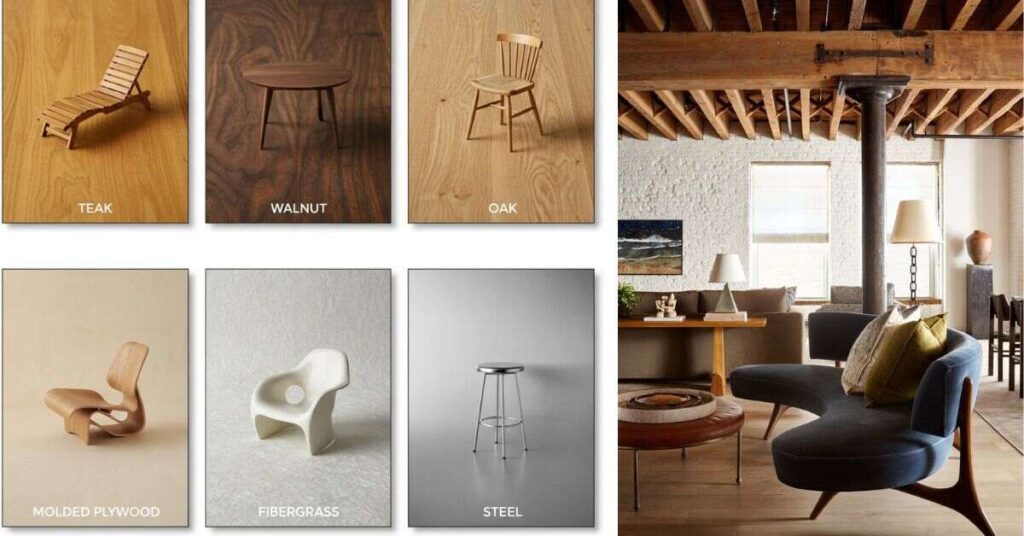
These tables emphasize both function and form. Typical pieces are low, rectangular or uniquely shaped like oval or kidney bean tables. Materials often include walnut, teak and occasionally glass. Clean lines, simple legs and minimal ornamentation distinguish the style. Practical elements such as drawers or storage solutions blend aesthetics with usability. Understanding differences between modern and retro tables helps buyers appreciate design principles.
Proportions are key. Tables are usually longer than tall, complementing seating arrangements and maintaining visual balance. Shapes like round tables enhance movement, while rectangular tables suit standard layouts. Height alignment ensures comfort. Designers focus on surfaces, edges and material grain to enhance appeal. Low-profile designs improve openness, especially in smaller spaces. The combination of functionality, natural materials and stylistic precision has made these tables enduring classics for any room size.
Materials are used in Mid Century
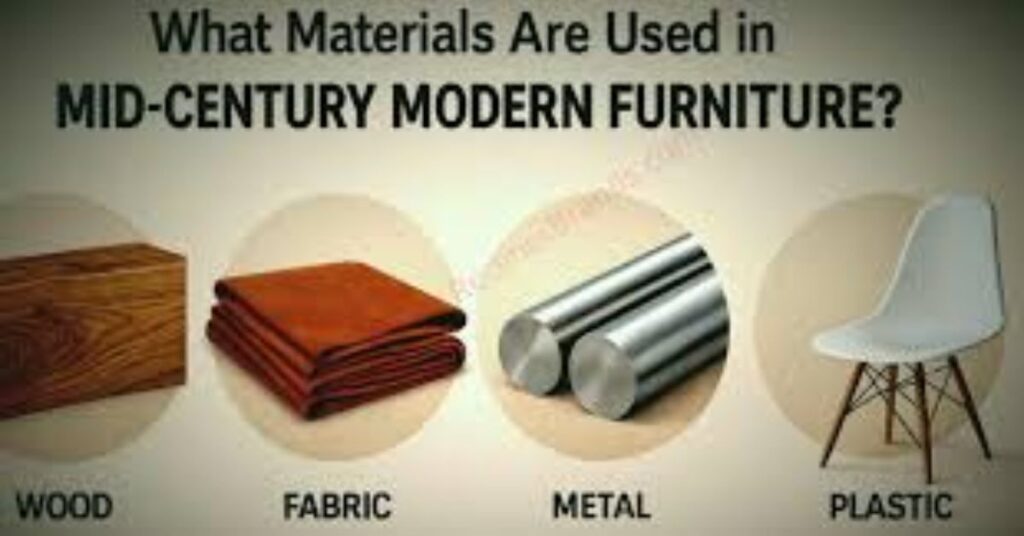
Wood dominates the style, with walnut and teak celebrated for durability and warmth. Teak offers golden tones and moisture resistance, while walnut provides deep, elegant finishes. Glass elements introduce modern aesthetic and openness. Metal accents often appear in legs or supports, maintaining functionality and lightness. Material choice affects both durability and design impact. Combining multiple materials optimizes strength, appearance and versatility.
Natural wood allows refinishing, extending lifespan, while glass surfaces emphasize clean lines. Decorative veneers add sophistication to oval or rectangular designs. Some pieces integrate storage drawers or compartments. Material choices also affect style compatibility; Scandinavian versions favor lighter woods for airy interiors. Selecting the right material ensures a table remains both functional and a central design statement.
Popular Shapes & Styles of Mid Century Coffee Table
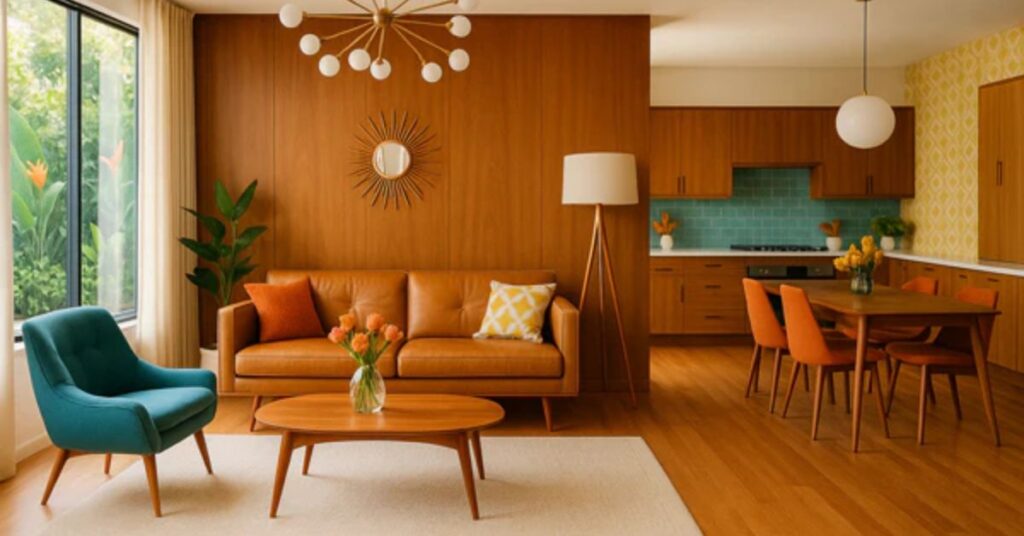
Shapes define table identity. Rectangular tables provide symmetry, while oval and kidney bean forms bring organic flow. Round shapes encourage movement and conversation. Long tables suit larger seating arrangements. Low profiles maintain openness. Each shape reflects the era’s philosophy: functional simplicity fused with elegance. Minimalism reigns, prioritizing clean surfaces, tapered legs and unobtrusive storage. Material selection further defines style: walnut or teak for warmth, glass for lightness.
Choosing the Right Size & Proportion of Mid Century Coffee Table
Selecting a table requires attention to room size, sofa height and seating arrangement. The table should complement rather than dominate the space. Rectangular pieces suit long couches, round tables fit compact arrangements and kidney bean designs add organic flow. Height alignment ensures comfort. Tables with storage provide dual functionality without cluttering rooms. Balance, utility and style integration make choosing the right piece nuanced.
Small Space Designs
Small spaces benefit from designs emphasizing minimalism. Scandinavian versions offer light woods and simple lines. Compact shapes like oval or round tables maximize usability while retaining style. Storage compartments allow organization without clutter. Long tables can double as display surfaces, while kidney bean shapes maintain flow. Using natural wood or tempered glass creates perceived openness. Following these trends ensures modern relevance while retaining timeless charm.
Shapes Comparison: Round vs Rectangular vs Kidney-Shaped
Each shape serves distinct needs. Round tables improve traffic flow and encourage conversation. Rectangular tables offer symmetry and align with standard sofas. Kidney bean tables introduce organic curves, creating focal points. Selecting the right piece depends on room size, seating layout and style preferences. Storage integration adds practicality without compromising aesthetics. A mix of form, size and style enhances overall harmony.
Benefits
These tables offer timeless style and functionality. Low profiles create a sense of openness, while storage adds practicality. Natural woods like walnut and teak enhance warmth. Shapes like kidney beans and oval introduce elegance and visual interest. Their versatility across small and large spaces makes them highly desirable. Durable materials ensure long-term value, blending functionality, timeless style and usability.
Matching with Interior Style
Matching a table with room décor enhances cohesion. Wood tones complement warm palettes, while glass surfaces suit minimal or modern interiors. Scandinavian designs match light-colored interiors. Align shapes with seating: rectangular for standard sofas, oval for flexible layouts. Material finishes, leg styles and proportion all contribute to harmony. Using color, shape and material harmony creates a welcoming, functional space.
Styling Tips
A table serves as a decorative and functional centerpiece. Books, candles and small plants add personality. Layering textures and heights enriches visual appeal. Rectangular tables offer space for multiple objects, while oval tables encourage simplicity. Storage drawers hide clutter, balancing style and practicality. Shapes like kidney beans create natural flow. Combining decor, texture and proportion ensures a well-styled centerpiece.
Maintenance
Proper maintenance ensures longevity. Wood surfaces require polishing or oiling, glass needs gentle cleaning and storage compartments should remain organized. Avoid direct sunlight and moisture. Using coasters prevents damage. Preventive measures combined with regular cleaning ensures the table remains functional and aesthetically pleasing for years.
Buying Options
Vintage or contemporary options exist. Original pieces by designers like Charles Eames or George Nelson are collectible. Modern reproductions capture style at a lower cost. Online marketplaces, specialty stores and auctions provide options. Budget-friendly tables may use veneers or composite woods, while premium pieces offer authentic materials, craftsmanship and durability. Comparing features, design and reviews ensures buyers select a piece meeting both financial and functional expectations.
Conclusion
Incorporating a mid century-inspired coffee table elevates any room with style and function. Choosing options like a teak or oval table ensures harmony with existing décor while providing practicality. These designs combine aesthetic appeal with usability. For small or expansive spaces, a well-chosen table serves as both a functional asset and visual centerpiece. Understanding design, material and proportion allows homeowners to embrace the elegance and timeless style that defines these iconic interiors.
FAQs
How to Choose a Mid Century Coffee Table?
Consider size, shape and material to ensure the table complements seating and room dimensions. Balance style and practicality by assessing storage options, finishes and durability to match overall decor.
Why Invest in Mid Century Coffee Tables?
These tables provide timeless style and long-term value. Quality materials and classic designs maintain appeal across trends while supporting functional needs in living spaces.
What Materials Work Best for Mid Century Coffee Tables?
Teak and walnut offer durability, warmth and authentic mid century appeal. Glass tops and metal accents can enhance lightness and modern versatility.
How to Style a Mid Century Coffee Table?
Combine functional decor like trays, books or plants while keeping surfaces clean. Match shapes and textures with surrounding furniture for cohesive visual harmony.
What Shapes Suit Different Rooms?
Rectangular and long tables suit standard sofas, round tables enhance conversation areas and kidney bean or oval shapes add organic flow in compact or irregular spaces.