
Introduction
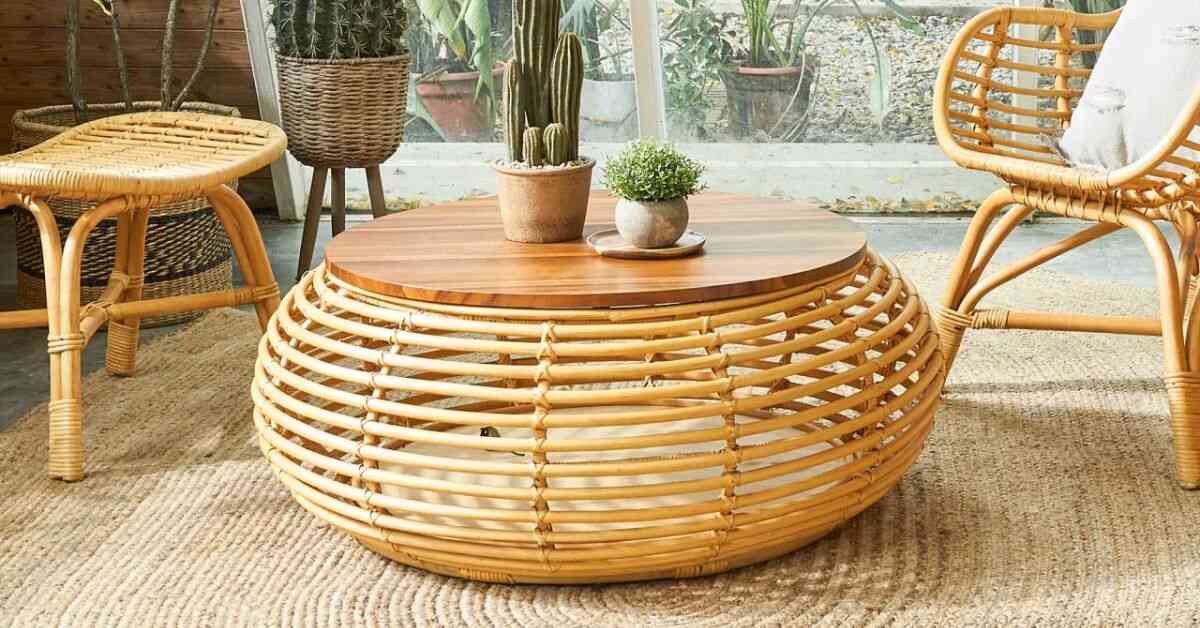
A caned coffee table brings natural texture, warmth and relaxed character into modern interiors. Its woven details can soften sleek furniture while adding visual interest without making a room feel crowded. Whether you prefer vintage charm or contemporary simplicity, cane furniture offers plenty of flexible styling options. A woven cane coffee table can pair beautifully with wood, glass, linen and neutral colors. Meanwhile, natural materials help create a welcoming atmosphere that feels comfortable rather than overly designed. From choosing the right shape to maintaining the woven surface, understanding the basics can help you select a table that looks beautiful and works well daily.
Why Are Caned Coffee Tables So Popular?
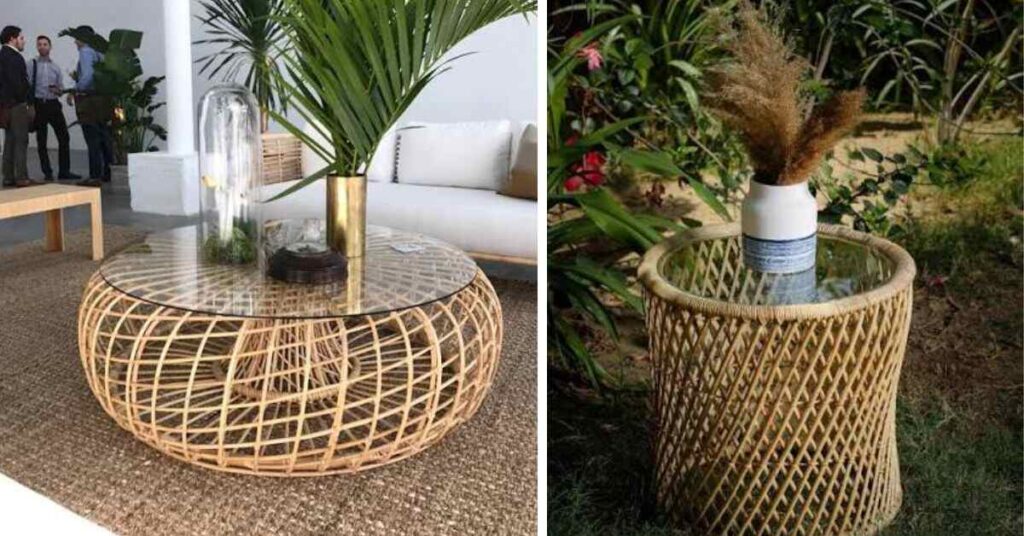
The appeal of cane furniture comes from its ability to make rooms feel lighter. A modern cane coffee table introduces texture without overwhelming nearby furniture. Its woven surface catches attention in a quiet way. At the same time, cane often creates a light and airy look that works beautifully in smaller rooms. Instead of appearing bulky, the open weave can help furniture feel visually breathable. That matters when your living room already contains large sofas, rugs, cabinets or shelves. A thoughtful cane design can therefore improve the room without demanding all the attention.
Another reason people love these tables is their flexibility. Cane coffee table ideas range from simple Scandinavian pieces to elaborate vintage designs. You can find tables with drawers, shelves, glass surfaces or woven panels. The material also works well beside plants, linen seating, wool rugs and timber furniture. With warm wood tones, cane can create a welcoming atmosphere. However, it can also look crisp beside white walls and contemporary upholstery. That versatility keeps the style relevant across changing interior trends.
Popular Caned Coffee Table Designs
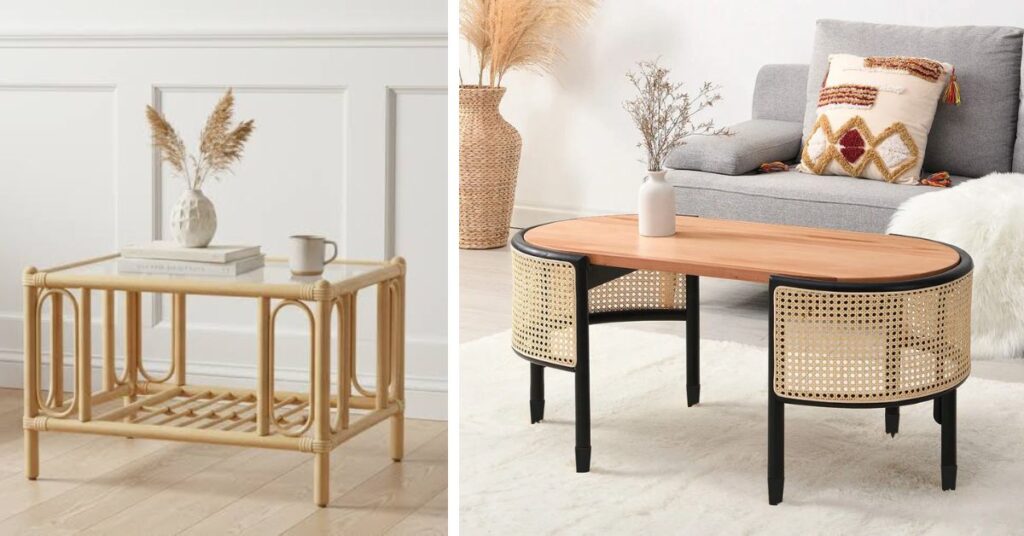
Cane tables come in many forms, which makes choosing a favorite surprisingly enjoyable. A vintage cane coffee table often features curved edges, tapered legs or detailed wooden frames. These characteristics create nostalgic charm without making the room look dated. In contrast, a mid century cane coffee table usually favors clean lines and practical proportions. Some designs use woven panels across the sides, while others place cane inside doors or drawers. The result can feel classic yet remarkably current.
For relaxed interiors, a boho cane coffee table pairs naturally with layered textiles and handmade accessories. Meanwhile, contemporary rooms may benefit from slim legs, geometric frames and restrained weaving. A cane coffee table design can also include contrasting materials for added depth. Glass creates visual openness, while dark wood provides stronger contrast. Rounded corners soften angular furniture. Storage adds practical value without sacrificing style. The best design depends on your room size, existing furniture, preferred finish and how you plan to use the table every day.
Best Shapes for a Caned Coffee Table
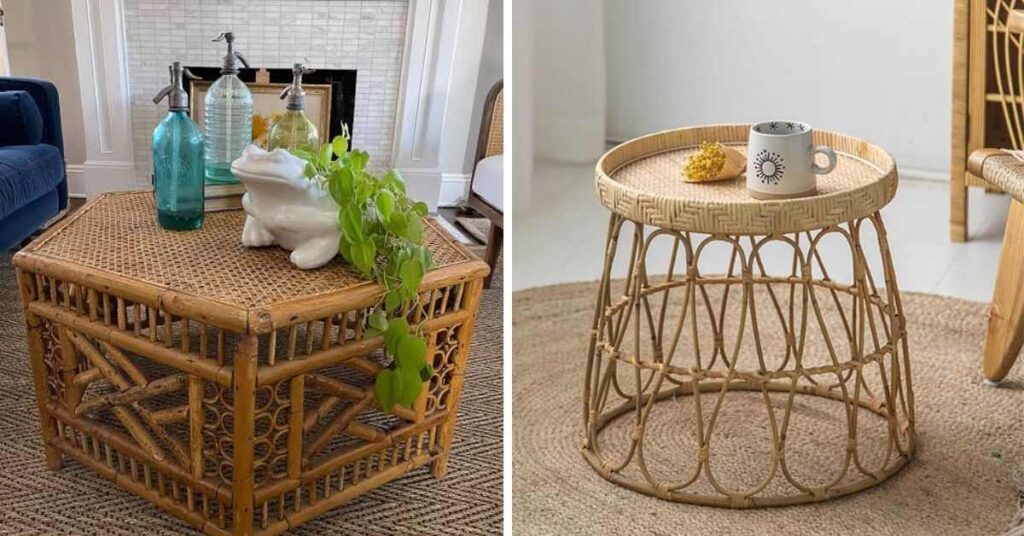
Shape affects both appearance and movement, so it deserves careful attention. A round cane coffee table works especially well where people frequently walk around the furniture. Its curved edge reduces sharp corners and creates smoother visual flow. Round tables can also soften rooms filled with straight sofas, cabinets and shelving. In compact spaces, a smaller circular design may provide useful surface area without creating a cramped feeling. Placement still matters, especially when several seats surround the table.
Rectangular and square designs offer different advantages. A rectangular table often suits longer sofas because its proportions echo the seating arrangement. Square versions can work beautifully with sectional sofas or balanced seating groups. Oval shapes offer another useful middle ground because they provide length while keeping softer edges. When selecting a cane coffee table for living room use, measure the available walking space first. Then compare the table’s height, width and surrounding furniture. A good shape should feel intentional rather than simply filling an empty spot.
Caned Coffee Table Materials and Construction
Material quality strongly influences how a cane table looks and performs. A wooden cane coffee table may use oak, ash, walnut, rubberwood or another sturdy timber for its frame. Cane panels then add woven detail across selected sections. This combination creates attractive contrast between solid surfaces and open patterns. Wooden construction also provides the structural strength needed for everyday use. Good joinery matters just as much as attractive finishes because loose connections can affect stability over time.
A natural wood cane coffee table can showcase grain variations alongside the woven material. Some pieces use a clear coating to preserve the wood’s appearance, while others feature stains or painted finishes. The cane itself should feel evenly woven and securely attached. Look closely at corners, joints, edges and supporting rails before buying. Natural materials can age beautifully when cared for correctly. However, they still need protection from excessive moisture, harsh sunlight and rough treatment. Construction quality ultimately determines whether the table remains attractive after years of regular use.
Natural Cane vs. Synthetic Cane
Choosing between natural and synthetic cane depends on appearance, durability and placement. Natural cane has an organic character that works beautifully with timber and handmade furniture. Its slight variations can create a warmer, less uniform appearance. Synthetic alternatives often provide greater consistency and may resist moisture better. This difference becomes important in homes where spills, pets, children or frequent entertaining are common. Consider your lifestyle before choosing a material simply because it looks attractive.
Natural cane generally suits indoor settings where conditions remain stable. Synthetic weaving can offer practical benefits in areas exposed to changing humidity or heavier use. However, quality varies significantly between products. Examine the weave closely and check how firmly it connects to the frame. A rattan cane coffee table may use woven materials that resemble traditional cane while offering a different construction. Understanding these distinctions helps prevent confusion when shopping. In either case, good care protects the weave and keeps the table looking fresh for longer.
Caned Coffee Tables With Glass Tops
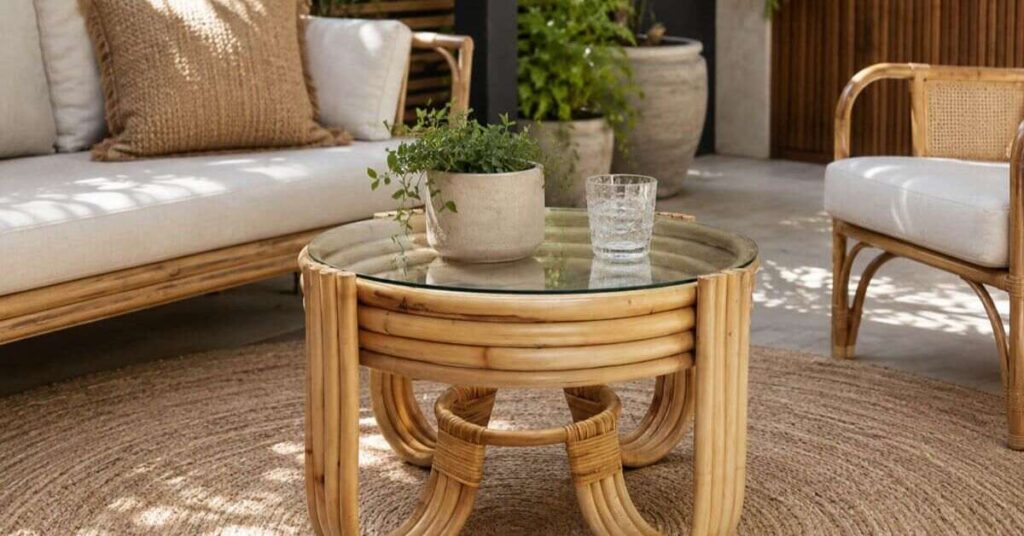
Glass changes the personality of a cane table immediately. A cane coffee table with a glass top combines a transparent surface with the warmth of woven material underneath. Because the glass allows the base to remain visible, the intricate pattern becomes part of the table’s visual appeal. This design can feel elegant without appearing heavy. It also provides a smooth surface for drinks, books, trays and decorative objects. For many homes, that combination offers a practical balance between beauty and everyday convenience.
A glass top also helps highlight the woven furniture design beneath it. However, the surrounding frame should remain stable and properly supported. Tempered glass is generally a sensible choice because it offers improved safety compared with ordinary glass. Regular cleaning keeps fingerprints and dust from distracting from the cane pattern. If your room needs an open visual effect, this style can work particularly well. The transparent surface preserves the living room centerpiece while the woven base supplies warmth and texture. Together, these materials create contrast without visual clutter.
Caned Coffee Tables With Storage
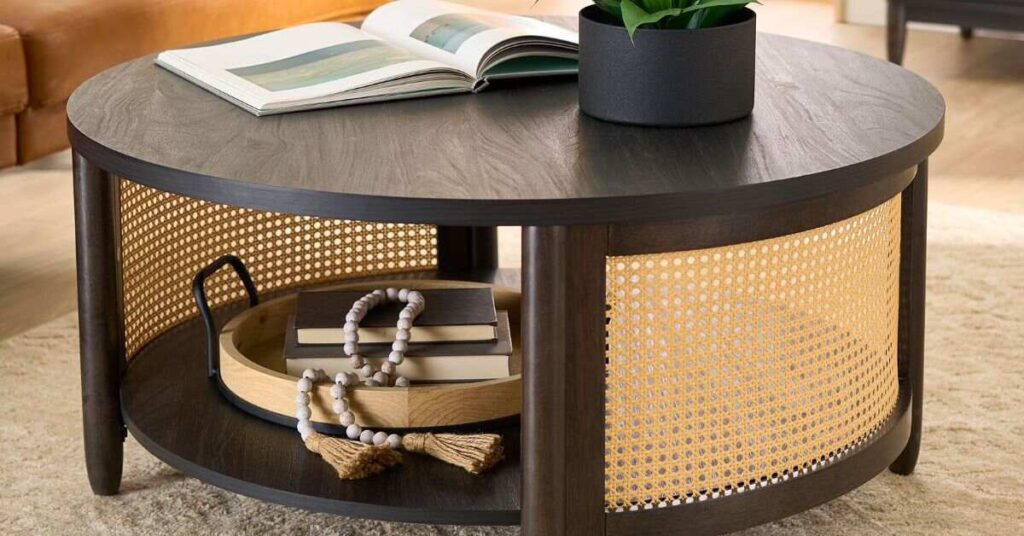
Storage turns a decorative table into a more useful household piece. A cane coffee table with storage can hide remotes, chargers, magazines, blankets and small accessories. This feature becomes especially valuable in compact living rooms where every surface matters. Some designs use drawers, while others include doors or open compartments. Cane panels can conceal stored items while still allowing the furniture to maintain an airy appearance. That balance makes storage furniture feel less bulky.
A cane coffee table with a shelf offers another practical solution. An open compartment can hold books and magazines while keeping the tabletop available for drinks or decoration. A spacious lower shelf may also display baskets, plants or neatly arranged accessories. When choosing storage, consider how often you need access to those items. Closed compartments work better for visual calm. Open shelves suit decorative displays and frequently used objects. The best storage design should support your daily habits rather than simply adding extra compartments.
Modern and Mid-Century Caned Coffee Table Ideas
Cane has strong connections with classic furniture design, yet it fits modern interiors surprisingly well. A mid-century modern cane coffee table often combines slender legs, clean geometry and woven panels. These details create a recognizable silhouette without unnecessary ornament. The style works especially well beside low sofas and simple lounge chairs. Its restrained structure allows the cane pattern to become the main decorative feature. This approach feels polished while retaining a relaxed character.
For contemporary homes, designers may simplify the frame and use darker finishes or unusual shapes. Organic modern decor often pairs cane with rounded furniture, earthy textiles, stone accents and indoor plants. The result feels natural without becoming overly rustic. A minimalist room can also benefit from a simple cane base because the weave adds subtle visual interest. When building modern living space around this furniture, keep nearby patterns controlled. Let the cane provide texture while cushions, rugs and artwork introduce complementary personality. This creates a cohesive room instead of a collection of competing details.
How to Choose the Right Caned Coffee Table
Choosing the right table starts with measurements rather than appearance. First, check the sofa height and available floor area. A coffee table should sit comfortably with nearby seating and leave enough room for movement. Consider the table’s width, depth and height together. Then examine the room’s existing colors and materials. A pale cane frame can brighten darker furniture, while deeper wood tones may add weight to an overly light scheme. The goal is balance.
Think about function next. If you frequently entertain, a larger surface may prove more useful. If clutter bothers you, built-in storage can make everyday life easier. A functional and stylish table should support real habits rather than simply look attractive in photographs. Check the frame for wobbling and inspect the cane for loose strands or uneven weaving. Also consider maintenance requirements before purchasing. When the size, structure, material and design all suit your lifestyle, the table becomes an effortless part of the room rather than an awkward addition.
How to Style a Caned Coffee Table
Styling works best when you treat the tabletop as a small composition. Start with one main object, such as a tray, vase or sculptural bowl. Then add smaller decorative items around it while leaving enough open space for practical use. A stack of books can provide height, while a small plant introduces freshness. A carefully arranged coffee table centerpiece should look intentional without becoming difficult to use. Keep the arrangement low enough to preserve conversation across the room.
Texture can make the display more appealing. Pair woven cane with ceramic, glass, stone, linen or smooth wood for contrast. This approach highlights the table without making every object look identical. A cane coffee table decor arrangement can also change seasonally with flowers, candles or simple ornaments. For a calm room, choose a few meaningful pieces instead of filling every inch. If the table already has strong woven detailing, understated accessories often create the most sophisticated result. Think curated rather than crowded.
How to Clean and Maintain Cane Furniture
Cane needs gentle care because woven strands can weaken when exposed to harsh conditions. Dust the surface regularly with a soft cloth or brush. For light marks, use a slightly damp cloth and mild cleaning solution. Avoid soaking the weave because excess moisture can affect natural fibers and joints. Dry the area promptly after cleaning. Regular maintenance helps preserve the texture while preventing everyday dirt from settling deeply into the weave.
Sunlight and humidity also deserve attention. Direct, intense sunlight may gradually alter natural materials, while excessive moisture can encourage deterioration. Keep the table away from persistent damp areas and use coasters beneath drinks. Avoid dragging heavy objects across woven sections. If a strand becomes loose, repair it early instead of pulling it further. A natural cane coffee table can remain attractive for years when treated gently. Simple habits matter most. Good care protects both the woven surface and the frame while preserving the furniture’s original character.
Pros and Cons of Caned Coffee Tables
Cane tables offer several appealing qualities, especially for people who want texture without visual heaviness. Their woven surfaces can add warmth and craftsmanship to a room. They also work across multiple decorating styles. A cane coffee table for living room settings can complement modern, coastal, bohemian, vintage and mid-century furniture. Many designs combine cane with wood or glass, making them adaptable. Their open patterns can also help furniture feel less bulky in smaller rooms.
However, cane isn’t completely maintenance-free. Natural weaving may require more careful cleaning than solid surfaces. Sharp objects, excessive moisture and rough handling can damage delicate strands. Some designs may also provide less tabletop storage than larger solid furniture. Before purchasing, consider where the table will sit and how heavily it will be used. A busy household may prefer stronger synthetic weaving or protected surfaces. Meanwhile, careful users may appreciate natural cane. The right choice depends on priorities such as appearance, durability, maintenance, budget and daily use.
Are Caned Coffee Tables Still in Style in 2026?
Yes, cane furniture remains relevant because its appeal extends beyond short-lived decoration trends. Its woven surfaces add warmth and craftsmanship while keeping furniture visually light. Designers can easily adapt cane to different interiors through frame shape, color and materials. That flexibility helps the style remain useful as decorating preferences change. Rather than depending on one specific trend, cane works as a textural foundation that can evolve with your room.
In 2026, natural finishes, organic shapes and relaxed interiors continue to make woven furniture especially appealing. A cane coffee table can fit these directions without looking overly fashionable. Pairing cane with rounded silhouettes, neutral upholstery, natural timber or handmade accessories creates a comfortable atmosphere. Meanwhile, cleaner frames can suit contemporary homes. The strongest approach isn’t copying one trend. Instead, choose a design with proportions and materials you genuinely enjoy. Good furniture should feel current today while remaining attractive when the next decorating trend arrives.
Conclusion
A caned coffee table can become a lasting feature when its size, construction and style suit your space. From modern frames to classic woven designs, there are plenty of options for different interiors and lifestyles. Consider the material, shape, storage, maintenance needs and surrounding furniture before buying. Natural textures can make a room feel warmer while keeping the overall look light and inviting. With thoughtful styling and gentle care, cane furniture can remain attractive for years. Whether you choose glass, wood, storage or a simple woven design, the best table balances beauty with everyday function and complements the character of your living room.
FAQs
Are canned coffee tables durable?
Yes, quality cane tables can last for years with proper care. Strong frames, secure weaving, gentle cleaning and protection from excessive moisture help preserve their appearance and structural strength.
Is cane suitable for modern living rooms?
Absolutely. Cane works beautifully with modern furniture because its woven texture adds warmth without creating visual heaviness. Clean frames and neutral finishes can make the style feel especially contemporary.
Can a canned coffee table work in a small room?
Yes. Open woven designs can create a lighter visual effect than solid furniture. Round or oval shapes may also improve movement and make compact living spaces feel less crowded.
How do you clean a cane coffee table?
Dust the weave regularly using a soft cloth or brush. For small marks, use a slightly damp cloth with mild cleaner, then dry the surface promptly to prevent excess moisture from affecting natural fibers.
What decor looks good on a cane coffee table?
Simple accessories usually work best. A tray, small plant, vase, bowl, candle or a few books can create an attractive display while leaving enough open space for everyday drinks and other items.